4 things a week: Made in Europe
1. World
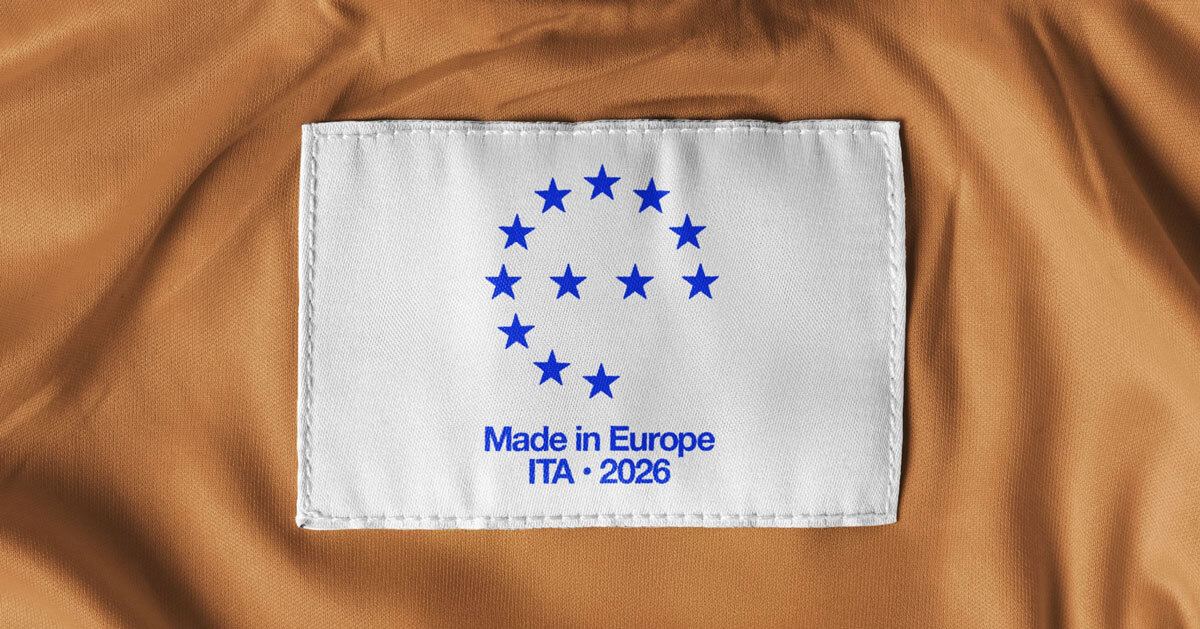
Probably one of the sexiest pieces of graphic design I’ve seen this year has to be this work by 21st Europe with Dada Projects. The Made in Europe label is a design that aims to bring back a sense of pride, meaning and transparency in goods produced on the continent.
In 2023 the European Union exported more than €4 trillion goods and services, making it the largest exporter globally by value. Products made in Europe have historically been associated with high standards and quality, but much as the union that holds it together has showed signs of fraying, there has been a breakdown in the sense of trust in this quality. Therefore the idea of a unified European label isn’t just a symbol, it’s a strategic move.
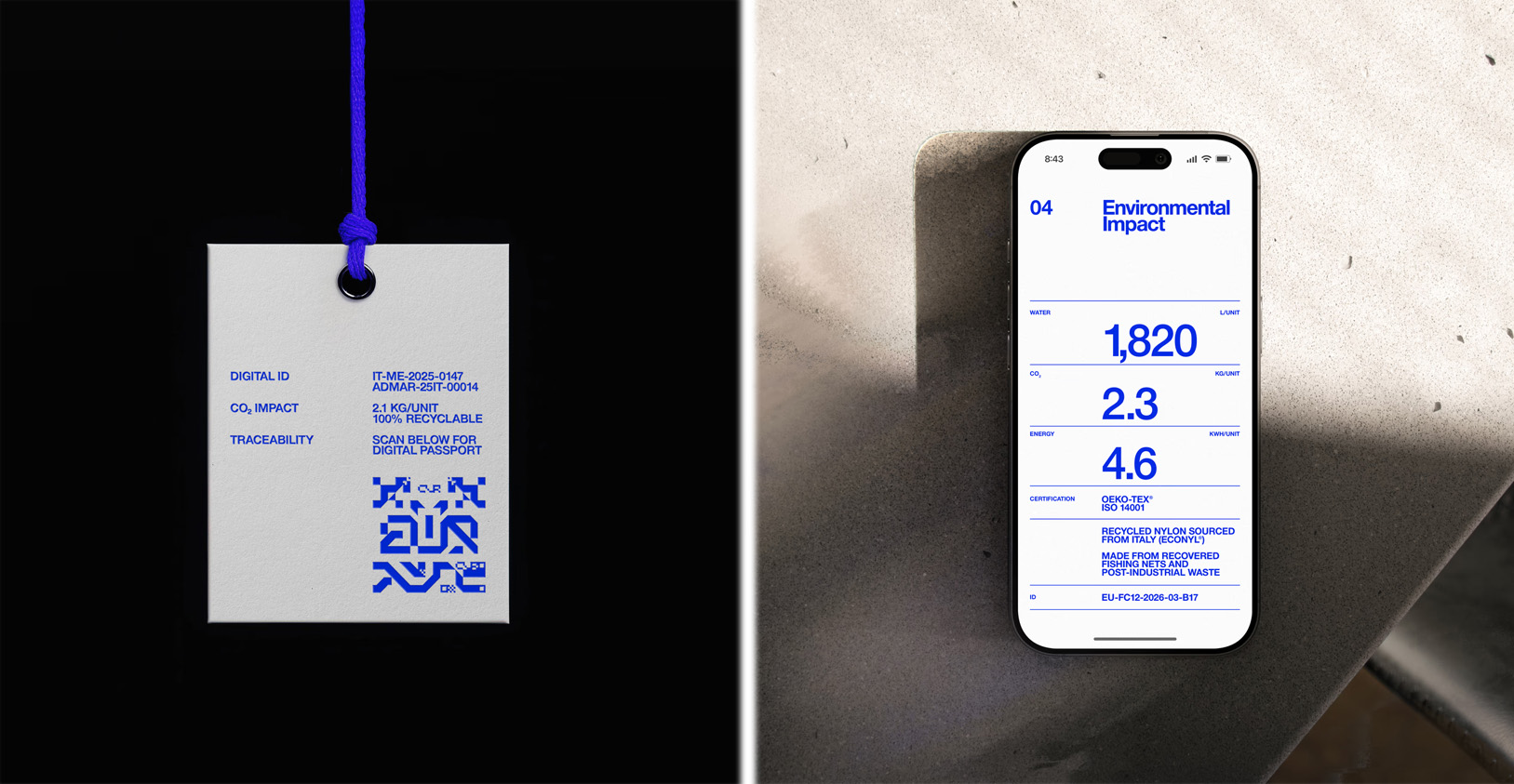
As 21st Europe put it “Europe’s greatest strength has never been scale — it has been design. But design means more than form or aesthetics. It is the way Europe organises life: how cities are planned, how economies are regulated, and how values are made visible through systems, not slogans.” Systems including product safety standards and sustainability regulations. These are captured in the Digital Product Passports that each label links to, containing verifiable data on origin, carbon impact and performance.
With this design, the Made in Europe label aims to stand as a mark of integrity that reflects a continent committed to people, communities, and the planet over short-term gain. And with a design as beautiful and considered as this, it’s certainly something I can get behind.
2. Innovation
Meta has just set up a new creative studio headed up by ex-Apple’s VP of human interface design, Alan Dye. Another move that see’s Apple designers move to either Open-AI or Meta as the competition between them hots up in the race to lead the next wave of AI hardware.
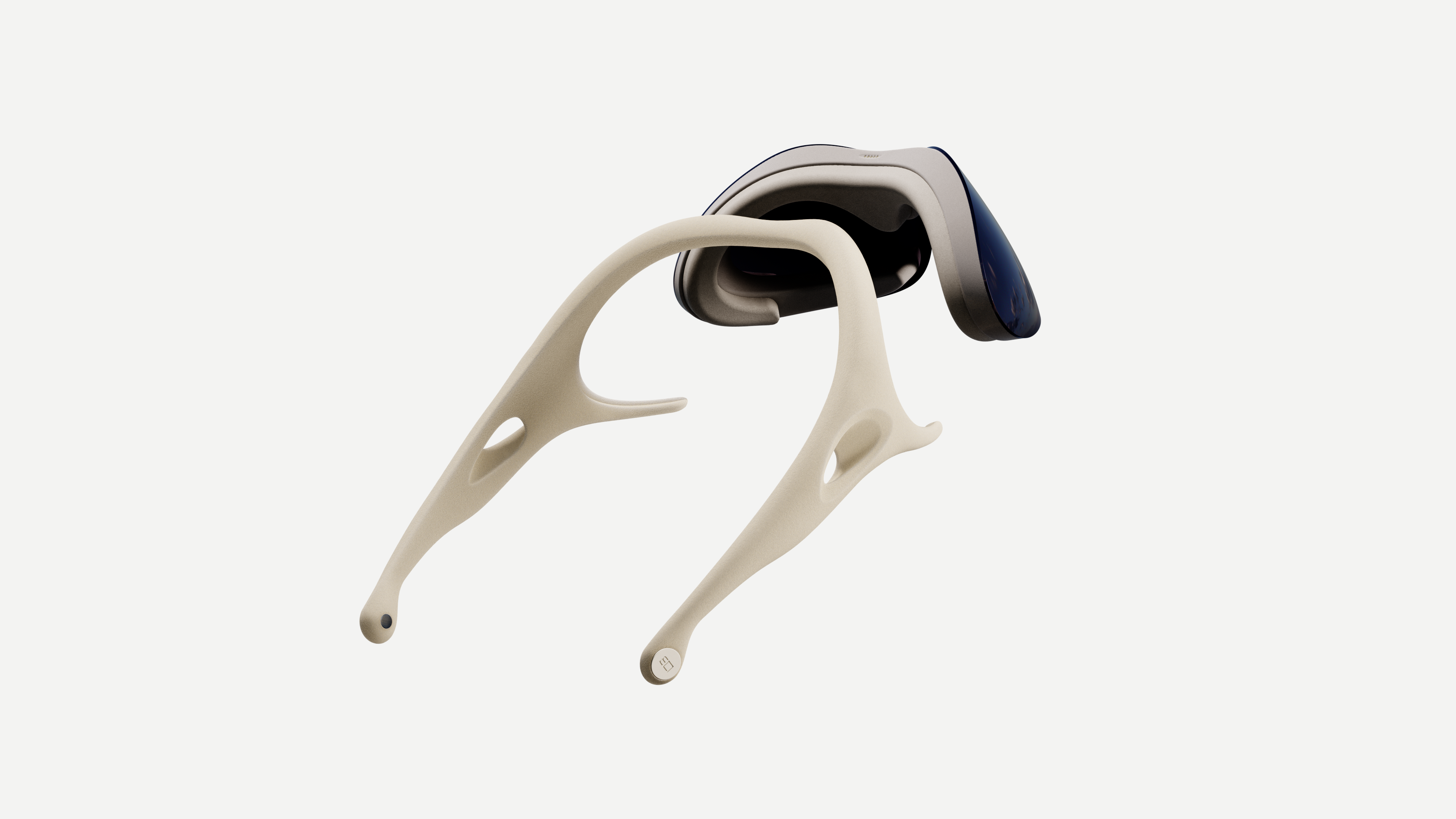
Meta founder Mark Zuckerberg says the “The new studio will bring together design, fashion, and technology to define the next generation of our products and experiences.” Meta’s partnership with Rayban firmly positioned them in the wearable space, and they have now teamed up with Oakley to create smart glasses for athletes. A project that incidentally reminds me of our Issé wearables project from 2023 (pictured below).
Open-AI’s take on the future of AI hardware is less clear, but the device that Jony Ive and Sam Altman are working on is due for release in two years. Positioned as a screen-less companion, Altman says it will “know everything you’ve ever thought about, read, said.” And as a result, be able to filter information, helping you focus on what’s important rather than constantly screaming for your attention. Of course, this requires capturing a huge amount of data and the question is how this happens. We’ve all seen the rise and (in some cases catastrophic fall) of AI devices designed to be worn around your neck or pinned to your chest.
I dislike that our entire relationship with technology seems so dictated by a narrow group of men in Silicon Valley, but that doesn't make me curious to see what they are dreaming up.
3. Morrama
For the next two weeks, all proceeds of our book From People to Planet: Lessons from a Design Agency, go to charity PLUS you get £5 off.
So if you are looking to buy yourself or someone you know a little Christmas present, this is a good time to have a look.
4. Inspiration
I was down in Brighton this week to do a talk at Plus X Innovation and it was a wonderful morning with wonderful people in a wonderful space. If you find yourself in Brighton (or in Slough as they have another hub there), it’s well worth checking out what’s going on at Plus X. More than just a workspace, Plus X is an innovation hub that runs innovation programmes for businesses driving positive impact. They’ve raised over £25m in grant funding to support entrepreneurs, and businesses they have supported have gone on to raise over £180m.
More importantly though, these spaces create community. I was also reminded of this last week when I returned to Makerversity in Somerset House for the first time in half a decade and found myself in the basement where we had Morrama’s first ever workspace. It was like stepping back into another world and I was reminded of the hive of activity that was bubbling away there every day. From the tinkerers to the serious entrepreneurs, these places bring all types of people together and it’s this diversity that is their strengths.
I’m now very grateful that we have moved on from fighting for meeting rooms, arguing over who blocked the sink or having to deal with all the noise of the open-plan co-working space, but it’s good to get a reminder of how important these communities are and to still get out your bubble and seek them out from time-to-time.
Plus X are currently running a series of Circularity Sessions (what brought me there) that are free and designed to bring together people to tackle the challenge of embedding sustainability into business when there are so many other things to be worrying about. Well worth checking out.
Thats it for today.
If you want to join the conversations, email us to 4things@morrama.com.
My '4 things' will be back at the end of next week.
Jo, and the Team x