Kibu on Dragons' Den: Why repairable tech for kids Is the future we've been designing towards
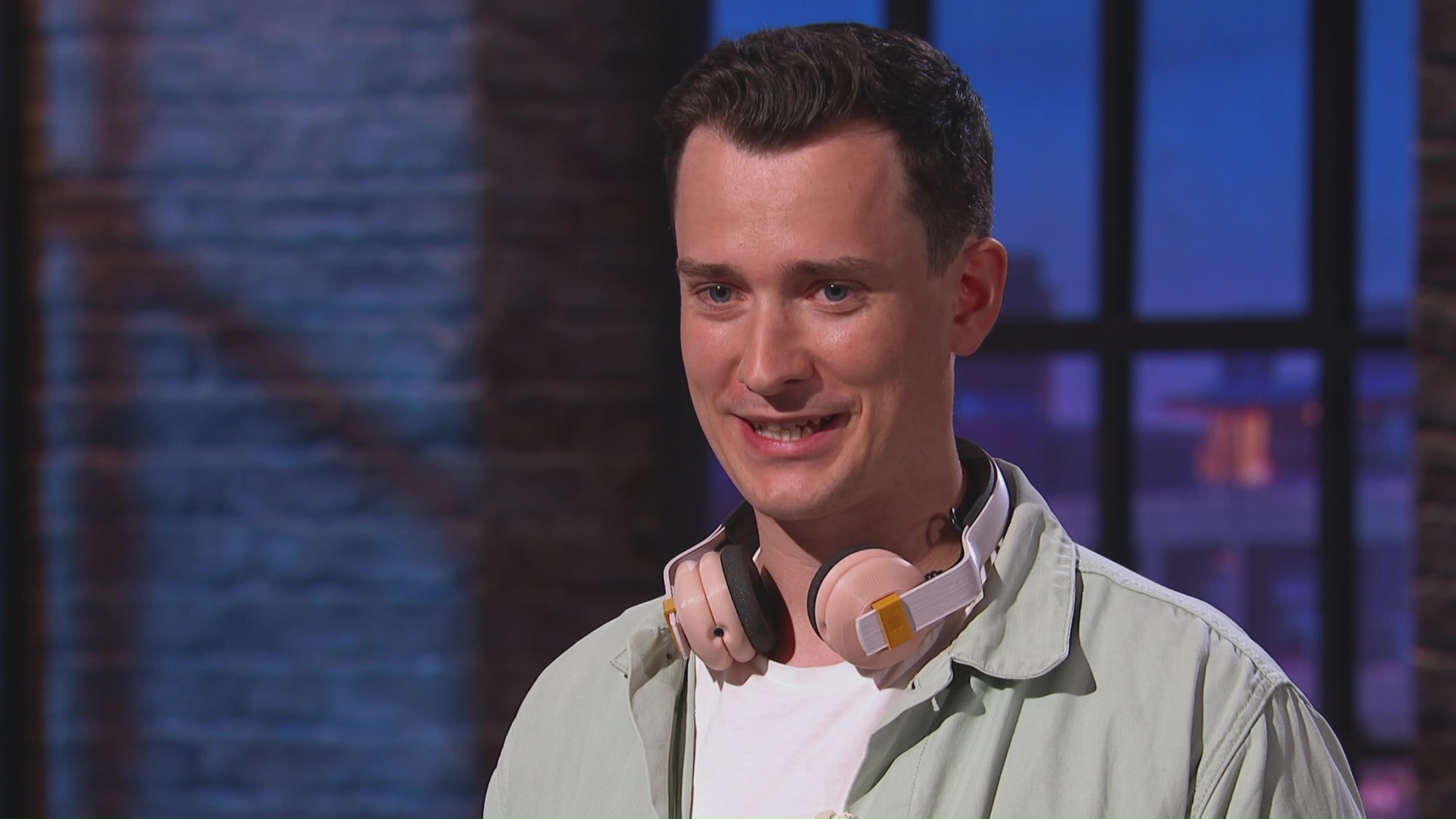
When we started working on Kibu, we weren't just designing a pair of headphones. We were asking a much bigger question: what does it look like when children's electronics are designed with genuine respect for the child, for the maker, and for the planet?
Last night (26th of Feb 2026), the UK got to see that question answered on national television.
Kibu appeared on Dragons' Den, and Co-founder and CEO Sam Beaney walked into that room with something the Den doesn't often see: a product that is as rigorous in its principles as it is compelling as a business. Peter Jones and Jenna Meek recognised it immediately and made an offer. But the real win wasn't the investment. It was the conversation it sparked in three million living rooms across the country.
What makes Kibu different from other kids' headphones?
The Kibu headphones are designed to be built, repaired and customised by children themselves. Every component can be disassembled. Replacement parts can be swapped in minutes. Colours updated as tastes change. It sounds simple, but behind that simplicity is a category-defining shift in how we think about electronics for kids.
The consumer electronics industry has spent decades optimising for cheapness and disposal. When a child's headphones break, and they will break because children are children, the default answer has always been: throw them away and buy another pair. Kibu rejects that entirely. It says: here's how you fix it. Here's how you make it yours again.
That's not just good sustainability practice. It's changing the mindset of the next generation. When a child builds something themselves, it changes how they feel about it. When they learn they can fix what they've made, it changes how they see everything they own.
Why circular design in children's electronics matters
At Morrama, we talk a lot about designing for circularity, but Kibu is one of the most complete expressions of that philosophy I've seen in a consumer product. It wasn't retrofitted with sustainability credentials after the fact. It was born from them.
What you see with the Kibu headphones is also a proof of concept for a different kind of supply chain. By onshoring manufacture with Batch.Works and building an agile, on-demand production model using recycled materials, Kibu has created something that is genuinely futureproof, not just commercially, but structurally. It's a business that gets more resilient as the pressure on global supply chains increases, not less.
This is what it looks like when circular design principles are applied with real commercial rigour. And it's just the start.

What happened on Dragons' Den
Peter Jones's reaction was telling. With his own background in building and selling computers as a teenager, the ethos behind Kibu clearly resonated, not as a feel-good story, but as a serious business built on genuine insight. Children's electronics is a massive, underserved category - typically the approach is to take the adult version, shrink it and add colour. The demand for products that last, that can be repaired, and that actively engage children in understanding how things work is only growing.
Jenna Meek, founder of REFY was very complimentary from the start and when the time came to stake her claim, she offered the full amount off the bat. Now with intention set, Peter Jones seemed far more interested.This is when Jenna offered to split the equity between the two Dragons and the deal (on TV) was done.
What comes next for Kibu
Kibu started as a Kickstarter. It became a fully fledged brand. Now it has a national platform, a co-investment offer from two of the UK's most recognisable entrepreneurs, and a customer base that genuinely believes in what it stands for.
We plan to springboard off this to raise further investment as we work on the next Kibu product.
There is an entire generation of children's electronics waiting to be redesigned with this kind of intent, and Kibu has shown it can be done beautifully, commercially, and at scale.
This is the future of kids' tech. If you are interested in being involved… get in touch!
Designed by Morrama (morrama.com) and manufactured with Batch.Works. The Kibu headphones are available directly at kibu.family.
Kibu is a circular children's electronics brand. Its headphones are designed to be built, repaired and customised by children, with every component replaceable and no specialist tools required.
Kibu appeared on Dragons' Den in February 2026, represented by co-founder and CEO Sam Beaney. Peter Jones and Jenna Meek both made an investment offer after seeing the product's potential in the repairable kids' electronics category.
Yes, we've done our best to make the as sustainable as possible. Kibu headphones are made using plant-based recycled materials and are designed for disassembly and repair, extending product life and reducing electronic waste. Manufacture is on-shore in the UK through Batch.Works in London.