What we saw at IFA Berlin 2026
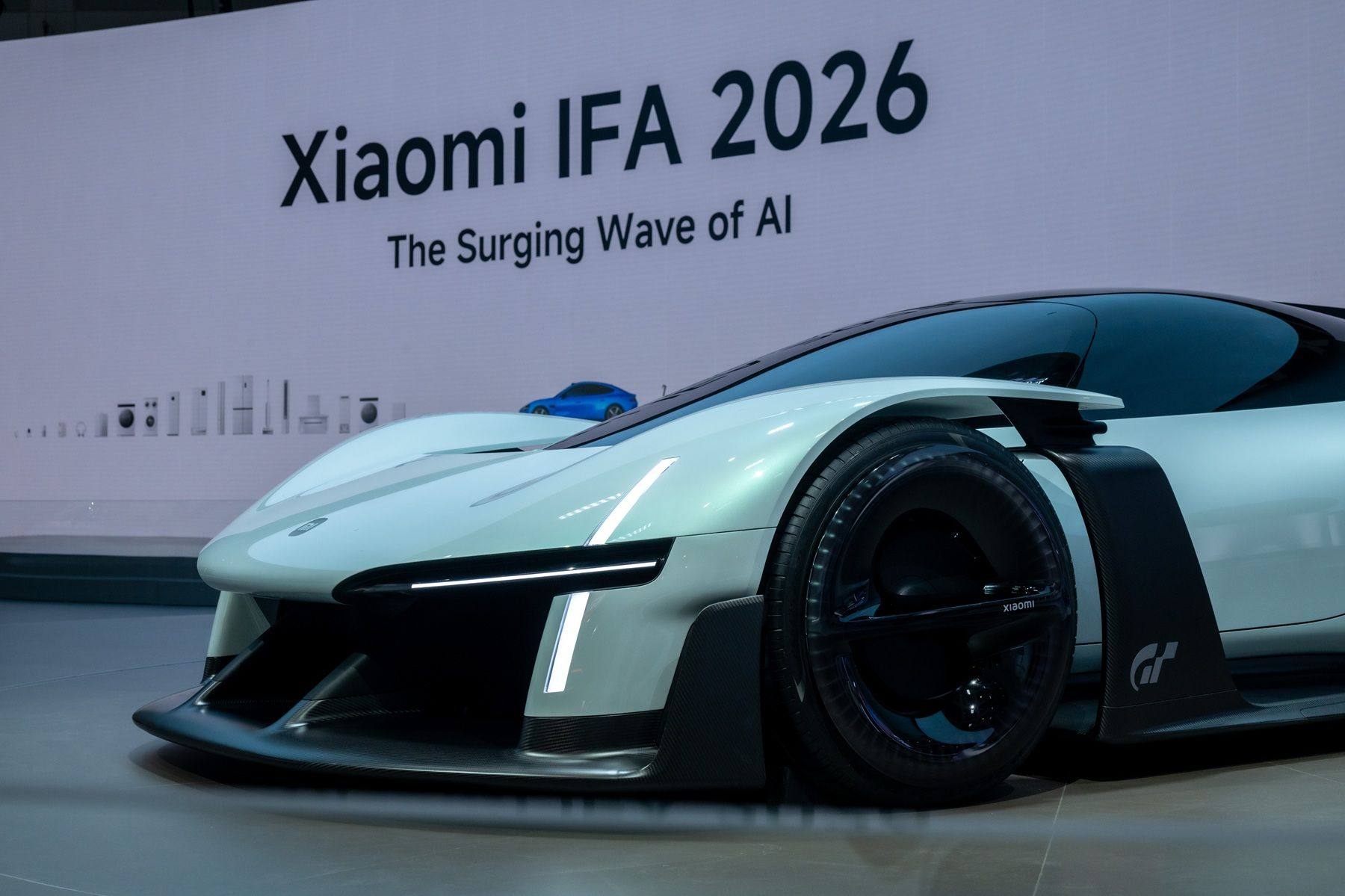
‘The surging wave of ai’ - by Xiaomi
Intimidating by intention, this exhibition theme by the Chinese tech giant is the kind of phrase meant to make you feel like resistance is pointless. And clearly most brands at IFA had got the message.
What also struck us was the room itself. Xiaomi was standing in the pavilion Samsung has occupied for decades and looking around, that wasn't an isolated moment. China's presence spanned the show, from the big names to the startups.
AI seems to be shoehorned into every product possible. A desktop AI-enabled dishwasher, anyone? If there'd been an entry criteria of "does this have a reason to exist," the show would've been half the size and twice as walkable.
.png)
Robots in abundance.
The humanoid robot debuts have been relentless recently, a new brand every week, each one apparently more capable than the last. Naturally, we went in expecting to see what had been marketed. Why wouldn't we?
In person, it was underwhelming. Interactions were slow, a noticeable lag between input and response and there was little sense of anything resembling emotional connection or intelligence behind the movement. If you want to have a robot do your washing up, you might need to swap over to plastic plates.
The bigger tell: most of the demos we interacted with turned out to be human-operated, not autonomous. Understandable, maybe, given the bad press some companies have had recently - a robot kicking a child during a demo in China made headlines this year. But it's also a reflection of where the technology really is - a lot of what's being marketed as AI-driven autonomy on the show floor is still a man with a controller behind the curtain.
A moss covered phone booth
Tucked away from the robot chaos was "2147", a moss-covered 1990s telephone booth, home to a voice AI called Gaia. Pick up the handset and she talks back, live, in whatever language you speak.
What made it genuinely thought-provoking: Gaia's mood is tied to Berlin's real-time air quality. Clean air, and she's warm. Pollution creeps up, and she gets short with you. If she likes what you're saying, and the booth glows green. Doesn’t, and it turns red.
Developed by Barcelona-based QS Ventures in collaboration with the voice-AI platform Vidiv no one was manning it and that felt deliberate. No rep standing beside the booth pitching you on it. Just a handset and a character reacting to you in real time. It was the most interesting interaction of the whole show, and it said more about what AI in a physical product can actually be than most of the humanoid stands combined.
Aside from AI
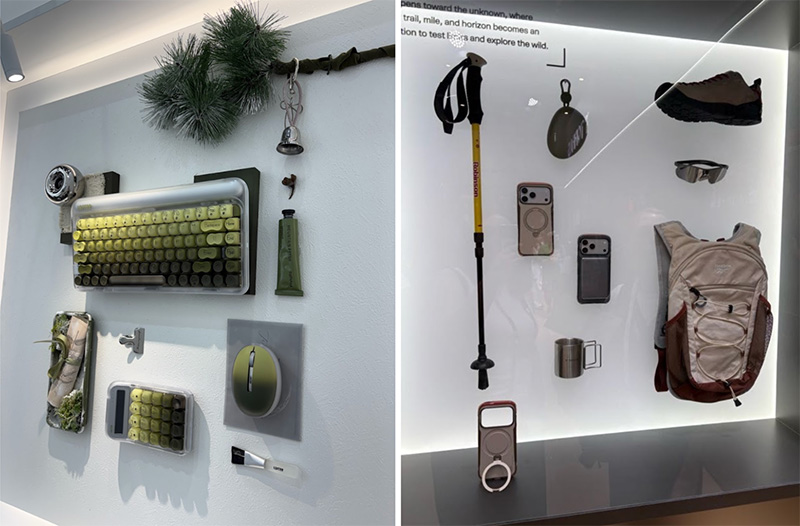
At times IFA felt like wading through rivers of ai add ons, so coming across design lead brands with thoughtful story telling exhibits like Daily Objects, Lofree and Torras was a treat. The consideration for user experience here was a relief after the copy-paste tech-driven robotics brands and the vignettes of how a product actually fits into someone's life made you feel like they actually understood who they were designing for.
And that’s the crux of it. So much of what we saw was technology for technologies sake with very little thought for the people who would be ultimately engaging with the products. You can’t put a panda suit on a machine and expect us all to fall in love.
It will be interesting to go back next year and see how many of the AI startups exhibiting have made it 12 months.
Where is the human?
We walked the halls for four days and still didn't see everything. What did see a lot of was a lack of human centred design. Multitudes of companies wrapped up in a race to develop technology without a thought through application. Much of it was comical at best and disturbing at worst. Brands racing for a finish line that isn't even in the right place.
If this is what the future looks like, design needs to be playing a bigger part. Not in creating the 'what', but in establishing the 'why'.