Planet-first material innovations don't align with regulation
I have a dilemma when it comes to materials.
As designers that create physical objects, we love working with novel materials.
Materials from algae, bacteria, food waste, recycled carrier bags, fish waste…
But a problem with all physical things is what to do with them when you don’t want them any more?
In 1988, the American Society of the Plastics Industry (SPI) developed the resin identification code that is used to indicate the predominant plastic material used in the manufacture of products and packaging. But for the average person remembering what a 3 in a recycling symbol ♻️ means is impossible - and confusing when it can’t actually be put in the recycling bin.
Compound that by a thousand when you have to factor in all the biodegradable, home compostable, industrially compostable, or ‘we haven’t actually done the testing yet’ materials coming onto the market.
The EU is pushing for ‘recyclable at scale’ with some pretty strict regulations that will kick in over the next few years with a particular focus on packaging. But there is currently little consideration for bio-based and biodegradable materials or materials made from waste. Instead they are aiming for a recyclers utopia - everything made from 6 different materials, easy to sort and easy to recapture.
Which does sound great from the point of view of circularity.
But it doesn’t take into account:
- The recycling infrastructure has a very long way to go.
- Brands want to differentiate.
- Consumers want alternatives to plastic.
- Bio-based materials often have lower carbon emissions and be safer if they end up in the wrong place.
So do we prioritise circularity and stick to a small number of plastics, glass, steel, aluminium and paper, or do we continue to adopt and explore novel materials that promise lower carbon emissions and safer outcomes but risk confusing and contaminating recycling streams?
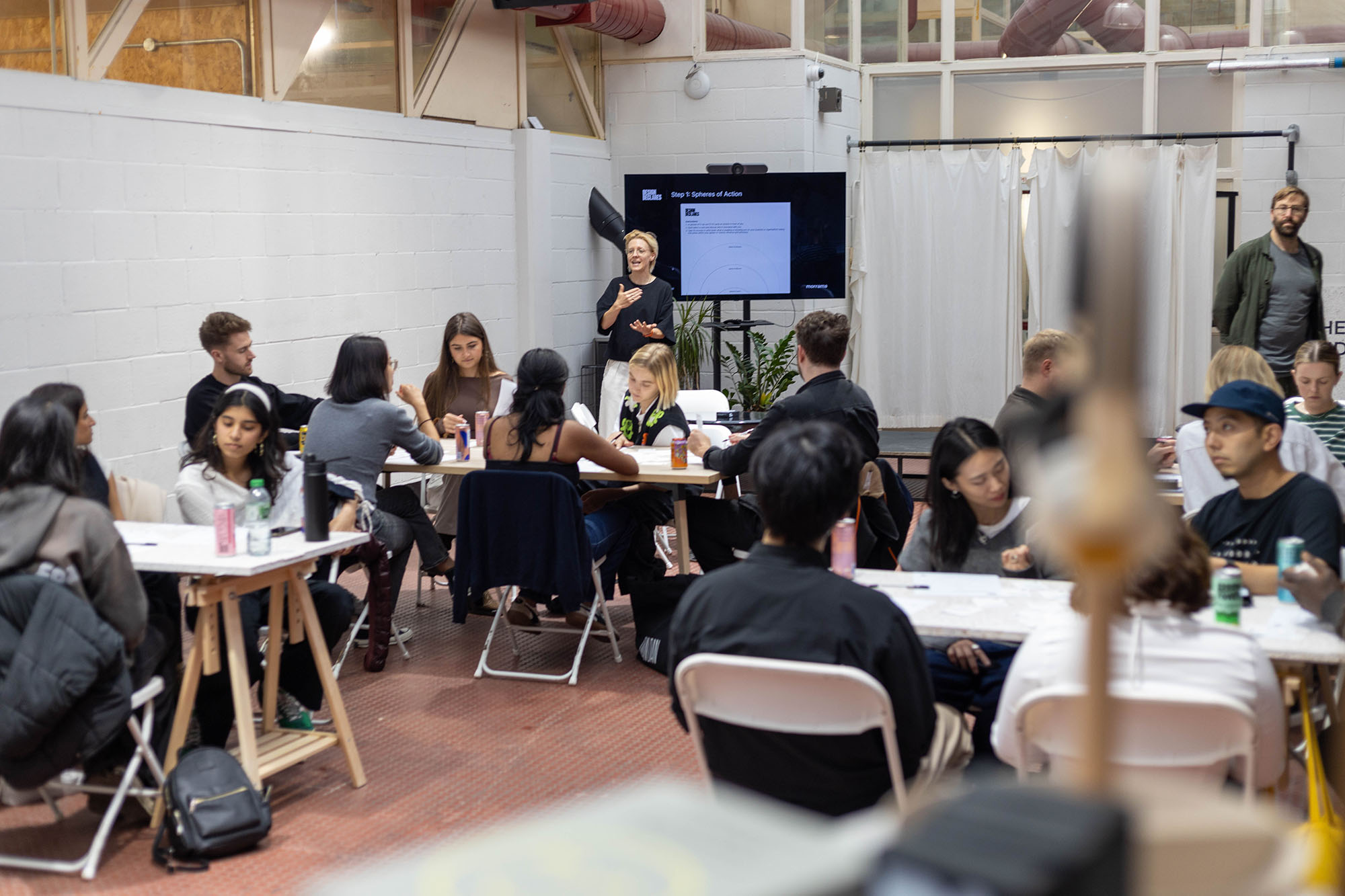
So this was my question going into the Rethinking Materials summit this week.
This is what stood out:
- Materials designed to be biodegraded or composted have no end-of-life value to councils or recyclers, so it’s hard to imagine any other option for them than being buried or burnt with the rest of our general waste. Unless you are one of the ~3% of the population with a compost bin. Ultimately nature doesn’t pay in cash for biodegrading packaging.
- A reminder that plastic isn’t truly circular. It cannot be infinitely recycled, and many applications require 70%+ virgin content to have the necessary mechanical properties. UK/EU regulations are requiring all plastic on the market to be made from 30% recycled content is a massive step, but perhaps it’s also the glass ceiling. So we end up with a system still reliant on virgin plastic and fossil fuels.
- Microplastics are proven to have long term health consequences, and the concern with regulations that encourage higher recycling rates is that each time plastic recirculates it gets that little bit weaker meaning higher risk of microplastic shedding - particularly in textiles. So I don’t see resorting only to fossil-fuel polymers an option.
- Everything is based on the ‘claims’. In packaging, it either has to be ‘bio-based and compostable’, or ‘bio-based and recyclable’. Hence why everyone is so focused on paper innovation in packaging right now as it’s the holy grail of all three..
- There are a few bio-based polymer material suppliers who are pushing recycling companies to accept their material. Initially it would be separated and incinerated, but once it achieves a critical mass - enough to be profitable for the recycling companies to sort - it would be collected and recycled. If this was to happen, it would mean that these bio-based materials could be labelled as ‘bio-based and recyclable’, which would align with EU regulations and offer a micro-plastic free alternative to traditional plastics. This is what I’m most excited about.
- Everyone I spoke to was confident that updates to UK and EU regulations over the next 2 years will provide exceptions to bans and taxes to bio-based materials that can prove they are better for the environment.
So based on this - we will keep innovating with new materials at Morrama as we focus on putting the planet and people’s wellbeing first - whilst keeping one eye on the regulations of course.
Sign up to our newsletter for more updates on material, technology and regulations in all things product and packaging.
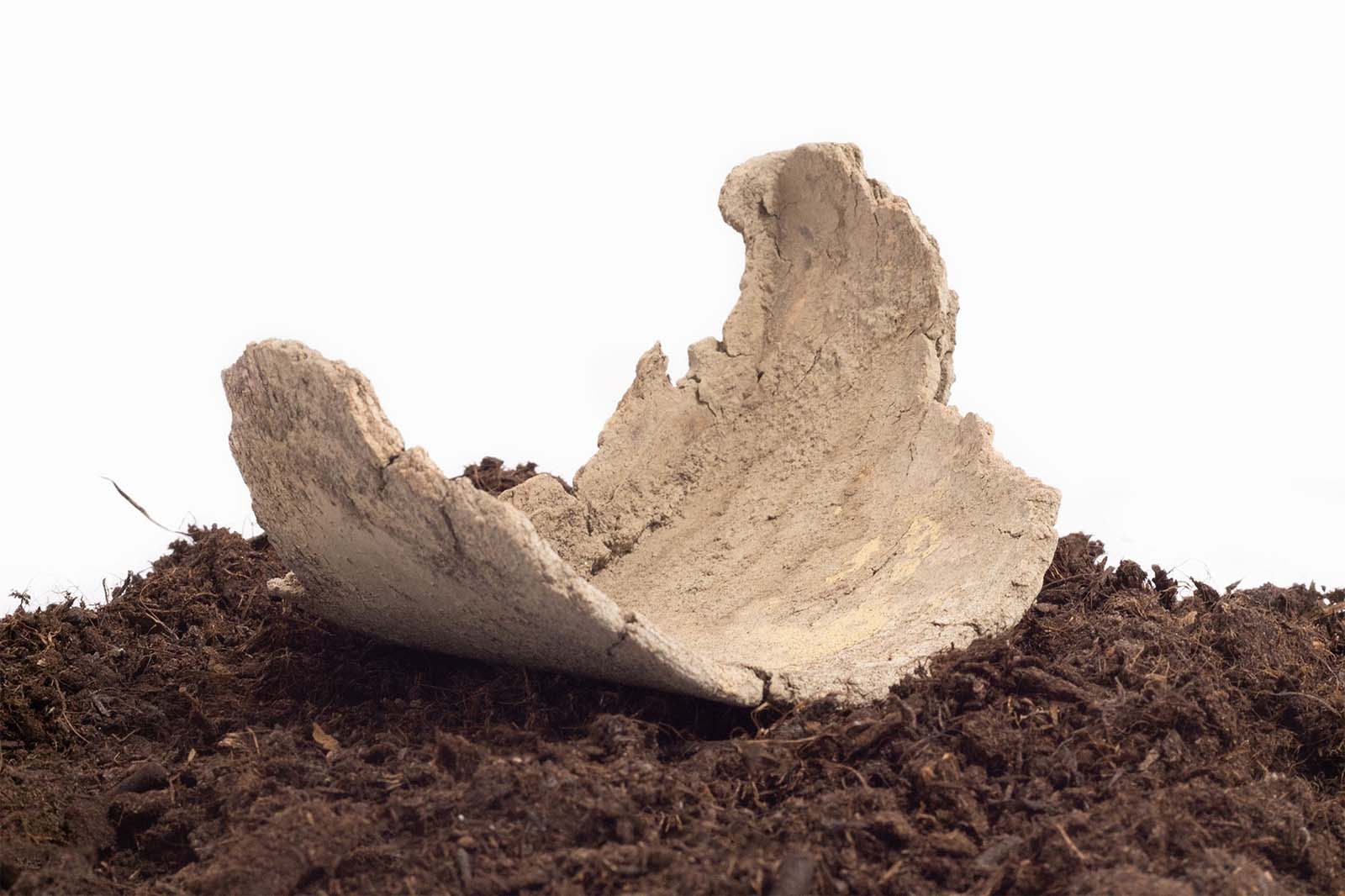
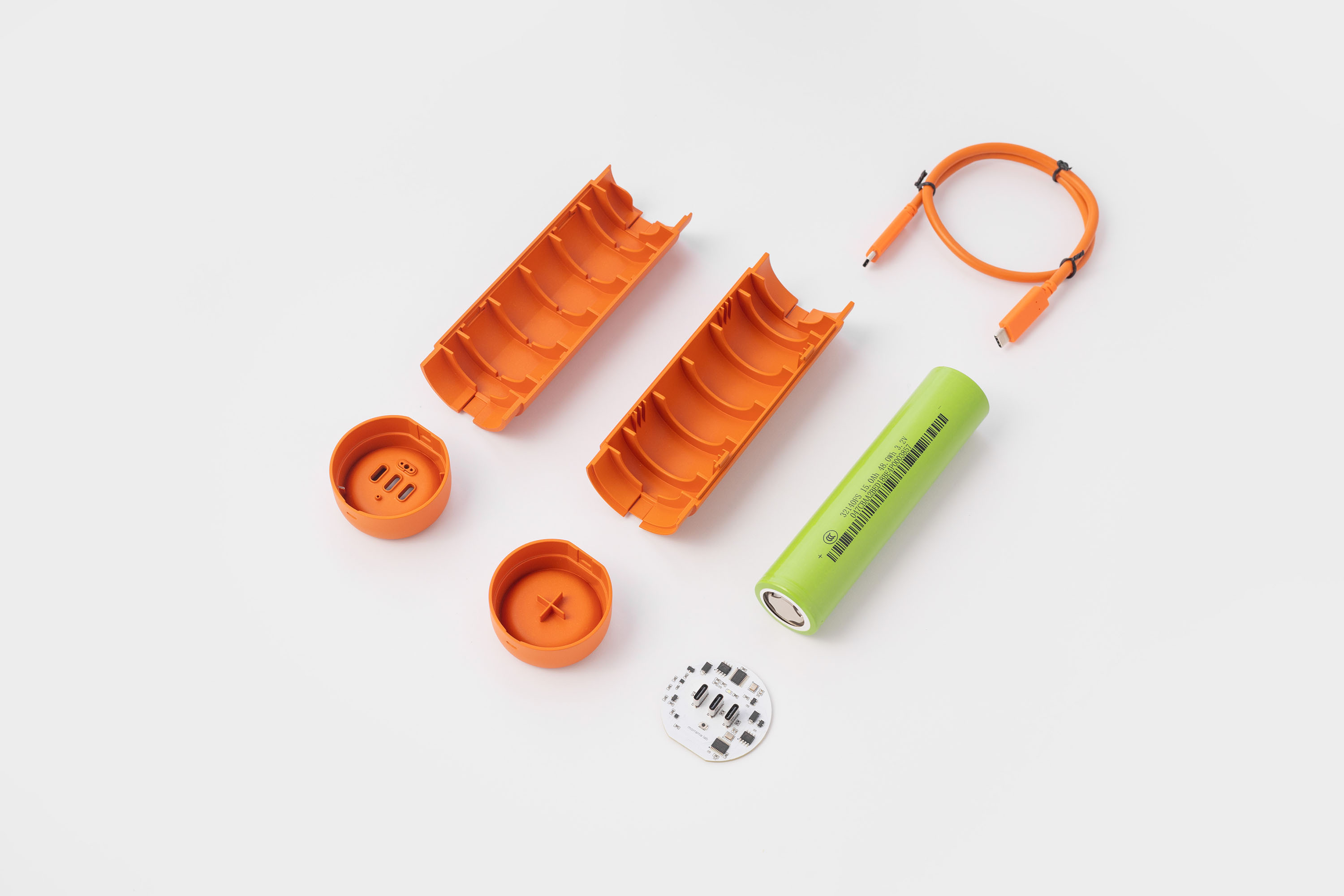
Photos below from a project last year exploring biodegradable materials in tech products that have a finite use-life in partnership with Earthmade
PPWR is the Packaging and Packaging Waste Regulations from the EU that determine requirements for new packaging placed on the market such as size, weight and material content.
This very much depends on the context. If it is a widely recycled packaging format, such as a can or milk bottle, then sticking with recycled materials is best as the material has a high chance of making it through the recycling stream. However for small items, or objects used in environments where they are less likely to be recycled or there is a risk they may end up as litter, it is important to consider options that will reduce carbon emissions and break down into safe biomass.
Consumers are increasingly seeking plastic-free alternatives because of a growing concern around the safety of plastic packaging and the harm to the environment of extracting fossil fuels. However it is important for brands to be able to state their packaging is recyclable. Therefore paper offers a plant-based alternative that is also recyclable.