How can AI encourage better stewardship of Britain's green spaces?
TL;DR
- The UK's 27 million gardeners collectively tend an area larger than all the country's nature reserves combined, holding 50.5 million trees, ~158 million tonnes of stored carbon, and home to 40% of Britain's birds and mammals. It's the country's largest untapped biodiversity asset, with no management plan.
- Gen Z is taking up gardening fast (over 60% spent more on it in 2024 than the year before), but they're the least likely to have inherited the knowledge to sustain a garden - and social media can't carry it.
- Morrama's view is that AI's role here is translator, not autopilot. A June 2026 studio hackathon produced three concepts - Worm Tamagotchi, Garden Radio, and Digital Twin, that build engagement with outdoor space through education and play rather than automation, deliberately keeping screens out of the flowerbed.
A small flapping of a butterfly's wings in Brazil has the potential to set off a tornado in Texas. Edward Lorenz's now-famous metaphor was coined to describe the behaviour of complex, interconnected systems, showing how the tiniest disturbance, in the right place, at the right time, can cascade into something no one predicted.
The natural world is exactly such a system, and it is not doing well. According to a National Security Assessment published in January 2026, ecosystem degradation is now occurring across every region of the planet, with every critical ecosystem on a trajectory towards collapse. It is the kind of headline that invites a familiar response: this is too vast, too abstract, too far removed from daily life to feel personal.
But the scale of a crisis does not diminish our relationship to it. The UN estimates that the 10 per cent of the world's population with the highest incomes account for nearly half of all emissions. That threshold, at around £29,000 a year, in many parts of the world, that figure sits comfortably within the middle class. Which is an uncomfortable way of noticing something useful: in this country, the people who carry the most responsibility for environmental harm are very often the same people who have a garden.
The largest nature reserve in Britain
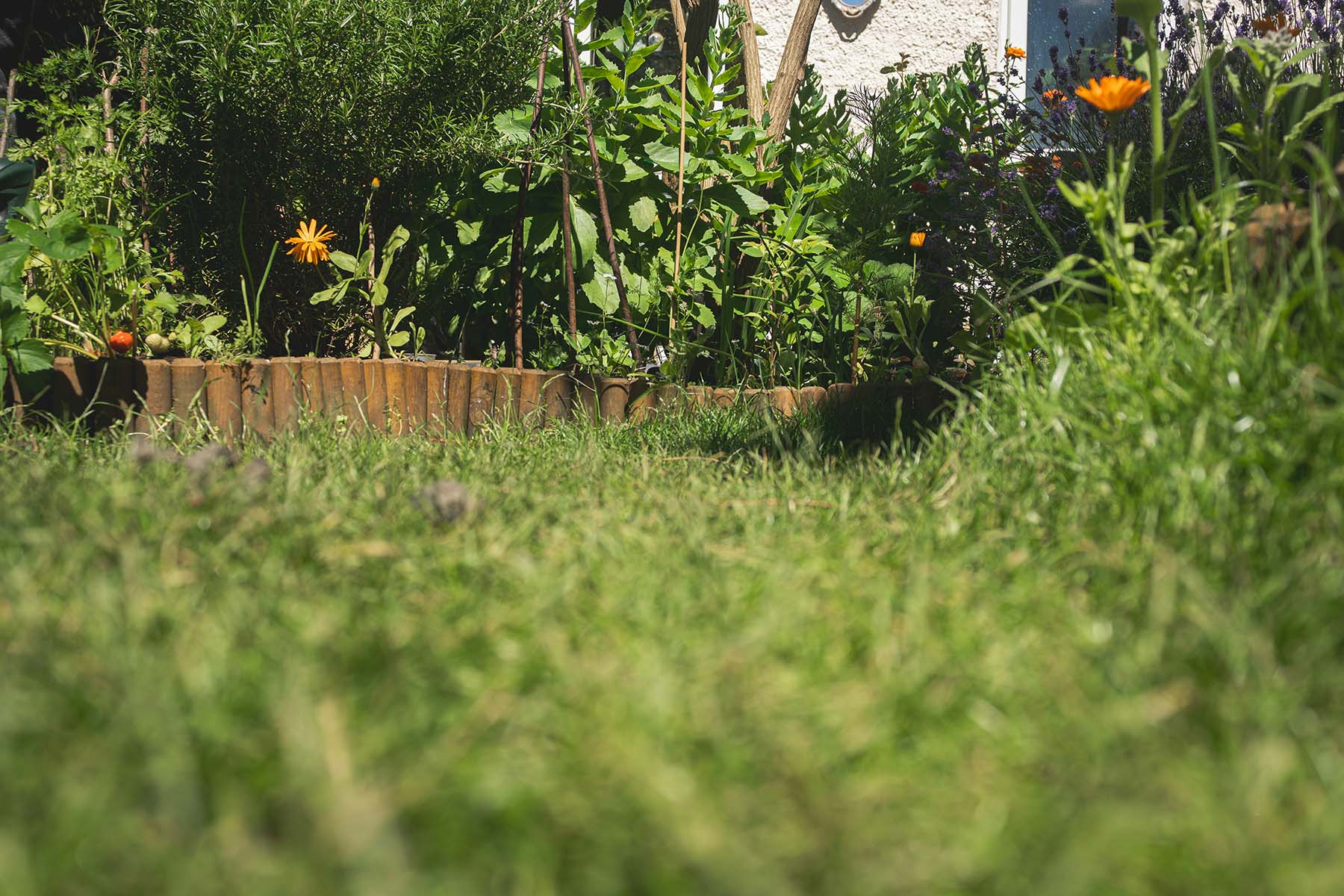
The RHS calculates that the UK's 27 million gardeners collectively tend an area bigger than all of the country's nature reserves combined. The implication is quietly staggering: the decisions made in back gardens and window boxes across Britain represent a biodiversity asset that rivals the entire formal conservation estate, with no management plan, no wardens and no strategy.
It is already carrying real weight. The RHS's State of Gardening Report counts 25.8 million gardens holding 50.5 million trees and something in the order of 158 million tonnes of stored carbon, and playing host to 40 per cent of Britain's birds and mammals, and to over half of its butterflies.
Which is to say that Lorenz's metaphor is not a metaphor here. It is an inventory. If complex systems are exquisitely sensitive to small disturbances, then a single decision in a single garden is never as insignificant as it feels.
A generation reaching for the secateurs
That report also finds gardening touching the lives of more than 41 million people in the UK, whether through weekends in a community garden or evenings spent tending a flowerbed. Green spaces are not only connecting people with the natural world, they are connecting people with each other.
And whilst the idea of pottering around the garden is typically reserved for those in their later years, that is changing faster than the stereotype. Statista found that over 60 per cent of Gen Z consumers spent more on gardening in 2024 than the year before, and the Axiom Gardening Outlook Study reports that half of them devoted 50 per cent more time to cultivating plants, figures collected by Earthday.org under the headline that Gen Z is digging gardening. As this generation moves through the next phases of their lives, green spaces may offer them something no productivity app can: a simple, reliable way to disconnect and reset.
The cultural signals are there too. Netflix's This Is a Gardening Show, fronted by Zach Galifianakis, arrived in April to rave reviews and speaks to something broader: that in an increasingly screen-saturated world, our instinct to get our hands in the soil has not just survived, it has quietly flourished.
The knowledge gap
Here is the problem with a generational influx of new gardeners, many of them picking up secateurs for the first time in their thirties. Enthusiasm is not the constraint. Knowledge is. What to plant where, whether the soil has the right nutrients, how to keep a hosta from being eaten alive by slugs.
Previous generations turned to books, magazines, or a reliable Friday night with Gardeners' World. TikTok and Instagram offer genuine inspiration, but the knowledge required to sustain a garden across seasons is deeper, more specific, and more consequential than a fifteen-second clip can carry. There is an irony worth sitting with: the generation most likely to take up gardening is the least likely to have inherited the knowledge for it, and the medium they would learn it from is the very thing many of them are gardening to escape.
So the question worth asking is whether artificial intelligence can step in where the algorithm falls short, and whether it can do so without dragging the screen back into the flowerbed.
Unfinished tools
At Morrama, we take the view that a tool does not need to be completely perfect. Sometimes it is better that it isn't. A prime example is My Naturewatch, a DIY camera you build yourself to observe the hidden world in your own garden. Its ambition was never really technical. It was to foster a connection with the tiniest of animals, in the hope that connection breeds responsibility for the environment they live in. It's deliberate simplicity and home-project design is what made it so accessible.
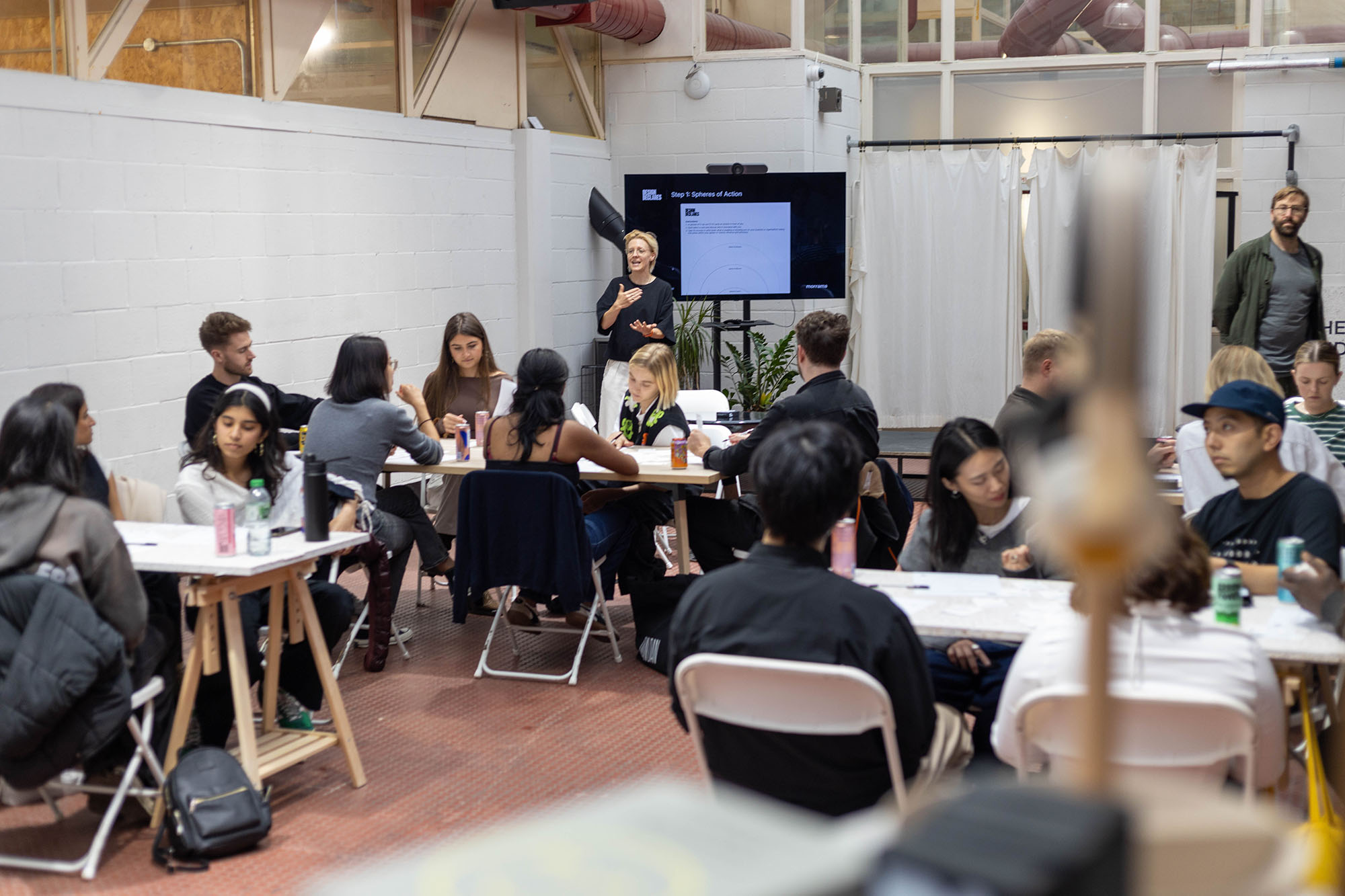
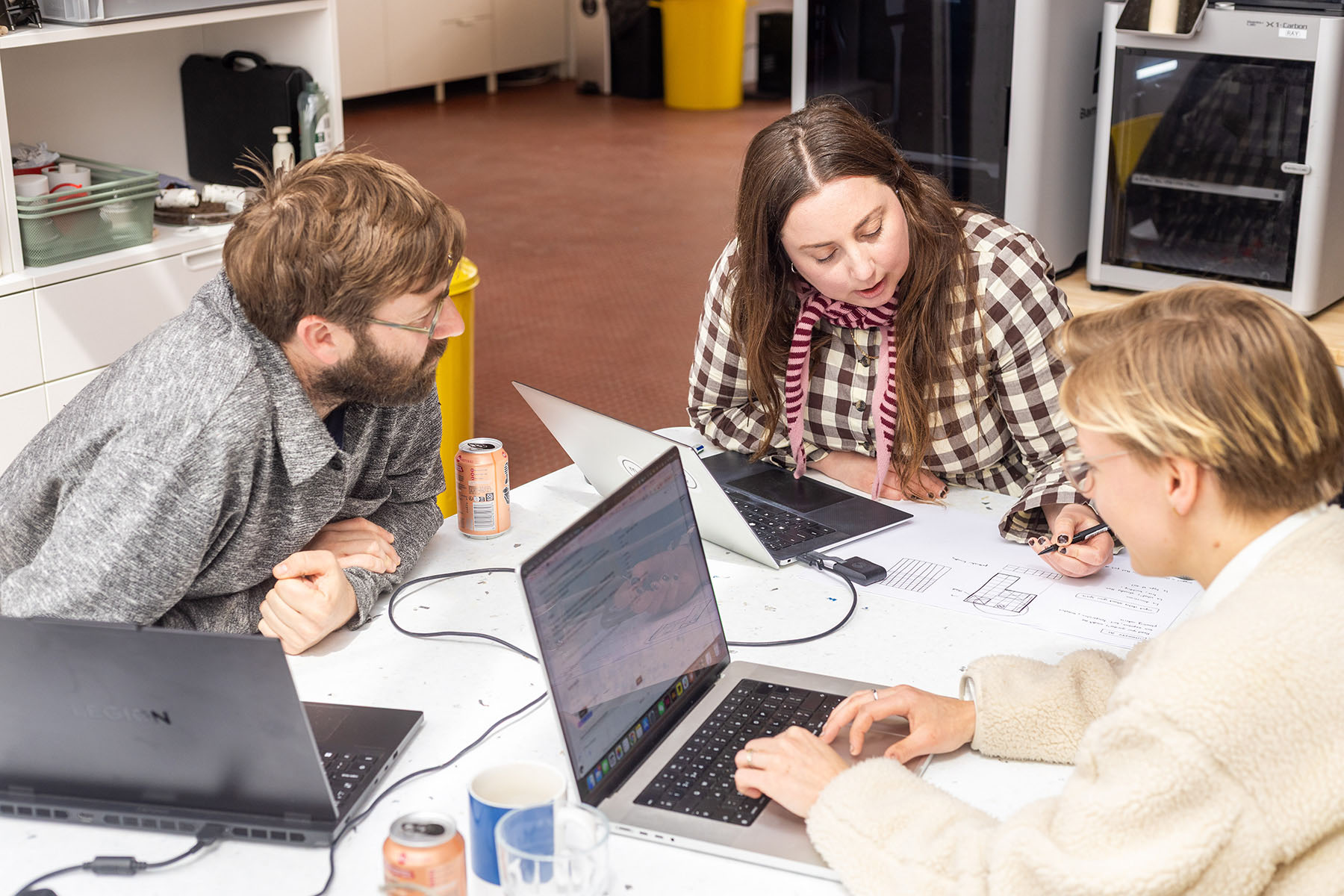
In June 2026 we spent a hackathon at the studio testing whether we could capture that same logic, leveraging AI to develop three products aimed at building engagement with outdoor space through education and play.
Worm Tamagotchi turns a compost bin, wormery or section of the soil below your feet into a living dashboard, tracking soil pH, moisture, temperature and movement to show how your worms are actually doing, and translating those readings into small daily challenges you can act on. The physical embodiment inspired by a toy from 1996 asks us to care for our soil by bringing to the surface the lives of the creatures that are vital to it. Making it hardware rather than an app was the decision that mattered most. It sits in your home as a physical reminder, and you cannot swipe it away.
Garden Radio responds to a spoken question e.g. how to trim a conifer correctly, by pulling from the archives of a tailored source you trust, such as Gardeners' World. It has no screen, instead the answer arrives on a thermal-printed receipt you can take outside, get muddy, and pin to a shed wall. Initially thinking to play the answer back in a podcast or radio style discussion, we realised you quite often just want the practical steps to hand. There is also something we liked about the commitment of the advice in physical form, similar to how a person giving you advice commits.
Digital Twin is a digital replica of your garden, displayed as an app. The app makes plant recommendations based on preferences for increasing biodiversity or fruit and vegetable production and users upload photos of plants found out and about to see where they might go in your garden based on light, levels, space and relationship to other plants. Reminders about how to care for your garden throughout the year encourage you to get outside and see the beauty of the annual life cycle.
Technology in this space is not new. Soil sensors are widely available, monitoring moisture, sunlight and temperature in real time. Apps can scan a leaf, identify a disease and return a treatment plan in seconds. What none of it does especially well is the last step: turning information into action you understand, enjoy and can repeat next year.
A garden tells you things constantly. Learning to read it is the whole skill. Artificial intelligence offers potential, not as an autopilot but as a translator. To take on the stewardship of these small sections of the natural environment, we need both the confidence and agency to act. Gardens are forgiving, they are spaces for experimentation in a way that very little else is; a plant in the wrong place is a lesson, not a failure. But sometimes we need a little nudge in the right direction. And enough little nudges could make a really big difference in how we relate to, and care for, the 27 million green spaces spread out around the country.
More than most people realise. The UK's 27 million gardeners collectively tend an area bigger than all the country's nature reserves combined. Britain's 25.8 million gardens hold 50.5 million trees and roughly 158 million tonnes of stored carbon, and provide a home for 40% of the country's birds and mammals and over half its butterflies. That makes private gardens a biodiversity asset rivalling the entire formal conservation estate — but one with no wardens, no strategy, and no management plan, shaped entirely by millions of individual decisions.
Gardening is shedding its later-in-life stereotype fast. Over 60% of Gen Z consumers spent more on gardening in 2024 than the year before, and half devoted significantly more time to cultivating plants. In a screen-saturated world, gardening offers something no productivity app can: a reliable way to disconnect and reset. The cultural signals back it up, from Netflix's This Is a Gardening Show to the wider instinct to get hands in the soil. The catch is a knowledge gap — this is the generation most likely to take up gardening and least likely to have inherited the know-how to sustain it.
Yes, but its best role is as a translator, not an autopilot. Soil sensors and plant-identification apps already exist, but what they do poorly is the last step: turning information into action you understand, enjoy, and can repeat next season. A garden communicates constantly; learning to read it is the whole skill. Morrama's take is that AI should build confidence and agency rather than automate the task away — as explored in three hackathon concepts: Worm Tamagotchi (a physical soil dashboard), Garden Radio (screenless voice advice on thermal-printed receipts), and Digital Twin (a garden-planning app for biodiversity and growing).