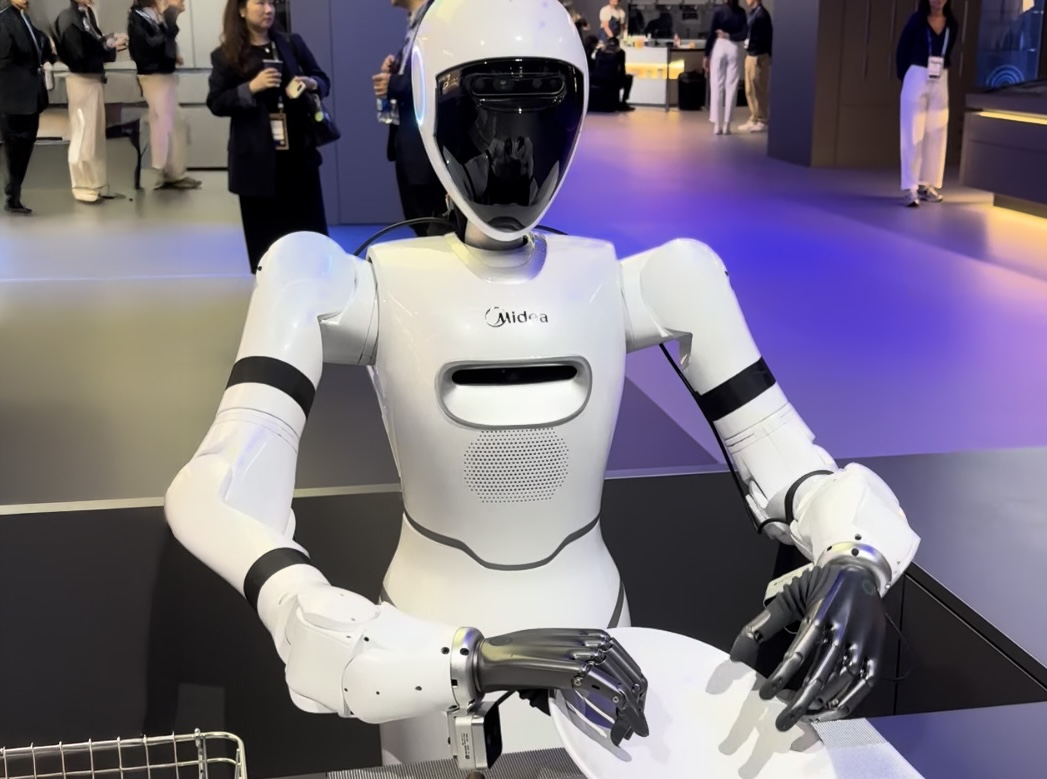
How technology can aid the important transfer of wisdom from generation to generation
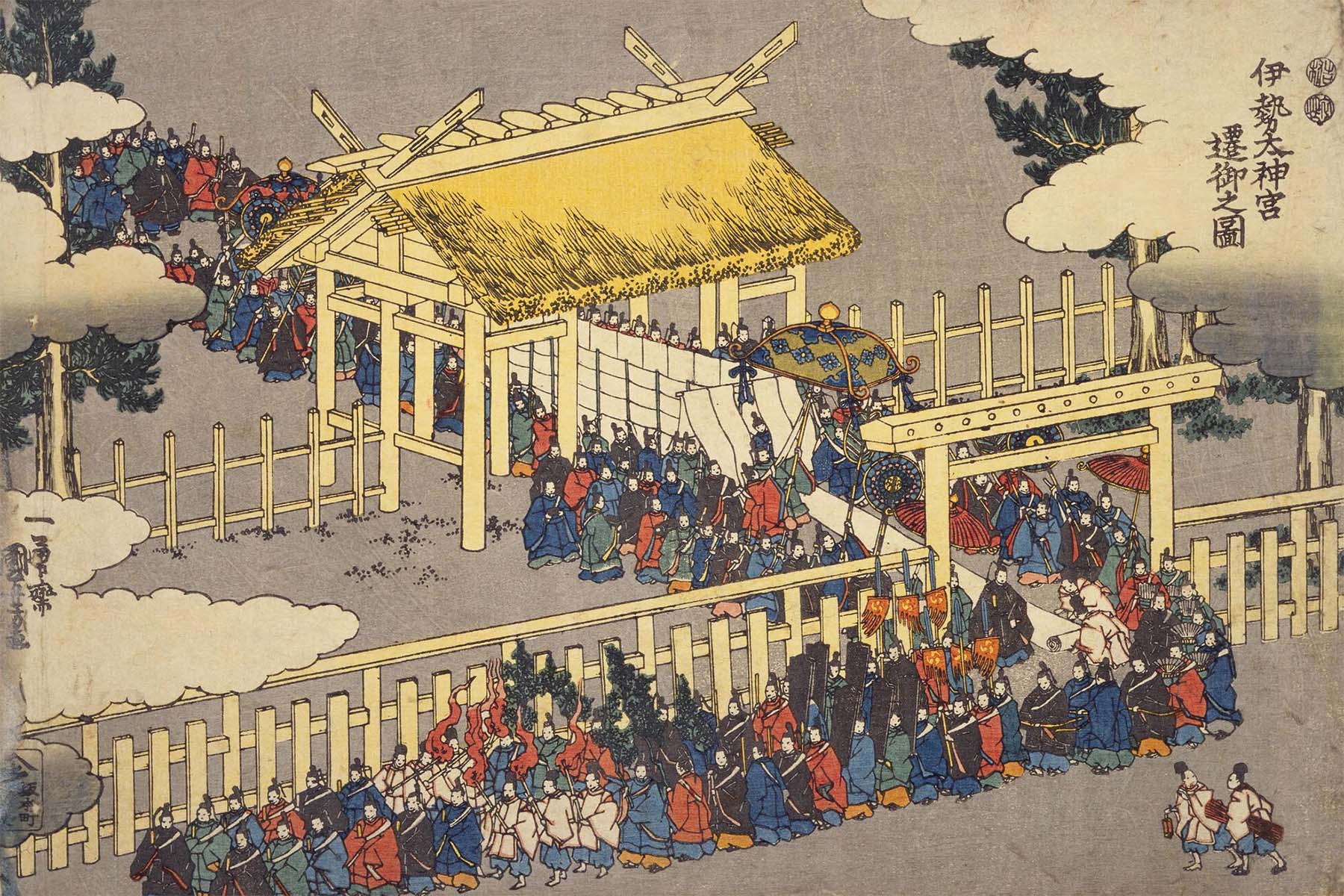
Image credit: © Utagawa Kuniyoshi
TL;DR
As record numbers of families are separated by distance, displacement, and the pace of modern life, the quiet transmission of wisdom that once passed naturally between grandparent and grandchild - across kitchen tables and on long walks - is being lost. Those fortunate enough to have maintained that closeness can testify to its value, and research confirms it: intergenerational relationships build identity, values, and a stronger sense of self. We are not just losing contact with our elders. We are losing the stories that tell us who we are.
Cultivating a sense of identity has never felt more urgent. In one of modernity’s great paradoxes, younger generations - living in the most connected world in human history - report feeling more isolated and unsupported than ever and mental health is suffering. A 2024 Gallup analysis found that 18–34-year-olds reported the highest loneliness of any age group; a generation growing up in the most unstable world in decades, without the resilience to navigate i.
The implications run deeper than sentiment. Clinical psychologist Dr Marshall Duke and his colleague Robyn Fivush developed the “Do You Know?” scale, and found that the more children know about their family history, the more resilient they become - family stories act as a rehearsal for life, teaching children how to weather hardship and find their way home before they ever face those storms themselves.
The medium is crucial
Humanity has always found ways to hold onto its stories. Journals, biographies, documentaries - each generation has reached for new tools to preserve what it feared losing. But preservation alone has never been enough. A story locked in an archive is not wisdom; it only becomes wisdom when it is received, when it lands on someone who needs it.
That is what makes the family unit so singular. We are drawn, with remarkable consistency, to the question of where we came from. Ancestry.com now hosts 145 million family trees, each one a constellation of individual lives, decisions, and hard-won lessons that quietly shaped who we are today. This is not mere curiosity. It is the same impulse that drives the Miya daiku to rebuild the Ise Shrine generation after generation: the instinct to remain tethered to something larger than ourselves.
For many, our grandparents are the living form of that tether. The world they inhabit may look unrecognisable from the one they were born into, but the fundamental texture of human experience - love, loss, the navigation of hardship - remains unchanged across every era. They have already lived through the hardships and have those important stories of survival to tell.
The temptation to wait
And yet we are not treating this resource with the urgency it deserves. The impulse to wait - to capture something only at the end, as Netflix's Famous Last Words does with its posthumous portraits of public figures - risks reducing the people we love most to a final download rather than a living relationship.
In some cases, working with what is left of someone is the only option. When Replika founder Eugenia Kuyda lost a close friend suddenly, she trained a chatbot on their years of text exchanges, creating a representation of him she could still talk to. Replika has since grown into an AI platform used by millions, but its origin remains the clearest articulation of what this technology, at its most human, is really reaching for. A way to keep someone alive.
For years, the idea of using AI to preserve the dead existed only in the realm of science fiction. Charlie Brooker explored its darker implications in his Black Mirror episode Black Museum, where the captured human experience becomes something exploitative and hollow. But nearly a decade on from that warning, the technology it imagined is here, and there is a growing fascination with AI “griefbots” trained on a person’s messages; voice clones of lost parents, chatbots that let you keep talking to a loved one after their funeral. With the technology still in its infancy, the research on the psychological impact of these AI replicas is still thin - but limited evidence suggests they could genuinely help providing one condition holds: that the person using it is under no illusion that the ‘person’ they are speaking to is real.
At Morrama we are ourselves divided on this new technology, understanding the seductive nature of being able to keep loved ones close, but wary of the dystopian nature of talking to someone who is no longer consenting to their responses. What we do agree on is that the goal should not be preservation, but rather connection, now, while there is still time for it to be mutual. And that the most valuable thing technology could do here is not resurrect a voice once it is gone. It is to get us talking, while the person is still here to answer back.
This piece is part of a wider exploration into the topic of AI, knowledge and connection. If you are interesting in joining the conversation or discussing our findings in more detail, reach out at info@morrama.com.